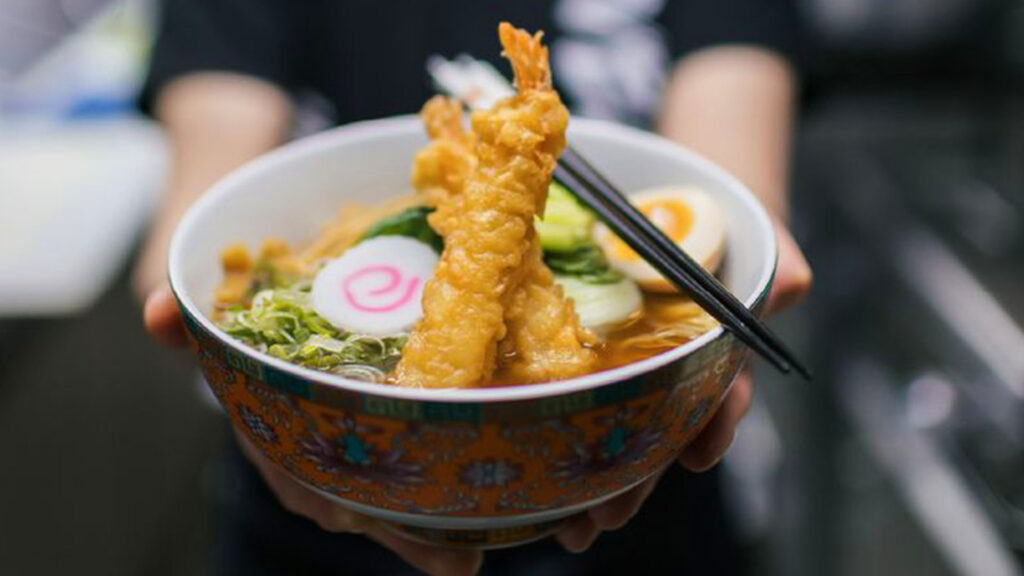
Image source: Table to Stix Ramen
Ramen is more than just a meal—it’s a cultural staple that reflects the values and traditions of Japanese dining. While the dish has gained international popularity, the etiquette surrounding how it’s eaten often gets overlooked.
Whether you’re in a bustling Tokyo ramen-ya or a counter in Los Angeles, understanding these unspoken rules can enhance your overall experience. It’s not about rigid formality but rather showing respect for the food, the chef, and those around you. From how quickly you eat to how you handle your utensils, Table to Stix Ramen emphasizes that every detail has a purpose.
The Culture Behind Ramen Etiquette
Ramen is more than a quick meal—it’s a cultural experience shaped by tradition and respect. In many ramen shops, particularly in Japan, there’s an unspoken code of conduct that regular patrons follow without thinking twice. These habits aren’t formal rules, but following them shows awareness and appreciation for the craft behind the bowl.
Eat While It’s Hot
Ramen is meant to be eaten immediately, right when it’s served. The noodles continue to cook in the hot broth, so waiting too long can cause them to become too soft and lose their ideal texture. In busy ramen shops, it’s even considered polite to dig in without waiting for everyone else at the table.
Delaying your first bite not only affects the flavor but also goes against the fast-paced rhythm of many ramen establishments. These places are often built around efficiency, where quick service and quick eating keep the flow going. Taking too long might even disrupt the pace of the kitchen and the experience of those waiting in line.
Slurping and Eating in Silence
Slurping might seem unusual to some, but in ramen culture, it’s completely normal—and even encouraged. Drawing in air while eating helps cool the noodles and lifts the aroma of the broth, enhancing the taste experience. It’s a sensory part of the meal that’s both functional and expressive.
Long conversations are generally kept to a minimum while eating ramen. Most diners focus on the bowl in front of them, finishing the meal quickly and quietly. That doesn’t mean you can’t speak at all, but the atmosphere often leans toward concentration rather than chatter. In some shops, the only sounds you’ll hear are the soft clinks of bowls and the rhythmic slurping of satisfied guests.
Handling Your Utensils the Right Way
Chopsticks and the ramen spoon aren’t just tools—they’re part of the entire dining experience. Holding chopsticks properly shows mindfulness, while missteps like pointing with them or sticking them upright in your bowl can come off as disrespectful. These actions can carry unintended meanings, especially in Japanese culture, where certain gestures are linked to rituals like funerals.
It’s also common to see diners lift their bowl to drink the last of the broth. This isn’t considered rude; it’s actually seen as a compliment to the chef. Between bites, placing your chopsticks neatly across the bowl or on the holder, if provided, keeps things tidy and intentional.
Respecting the Chef
Chefs spend years perfecting the balance of broth, noodles, and toppings, so altering dishes too much can be viewed as missing the point. While some shops may allow small tweaks, it’s best to trust the flavor as it’s presented. Adding too many extras or requesting major changes shifts the experience away from what the chef intended. It’s about honoring the dish as a finished piece of art rather than a customizable order.
Finishing your bowl, especially the broth, is often seen as a gesture of gratitude. It signals that you appreciated the dish and recognized the effort behind it. In smaller ramen shops, where space is limited and the line keeps growing, lingering too long after your meal can slow things down for others waiting. A quick but respectful exit helps keep the flow moving smoothly.
Being Aware of Your Surroundings
Snapping a photo of your ramen can be tempting, especially when the presentation is beautiful. Still, it’s important to be discreet. Some shops post signs asking guests to avoid photography, or you might notice a hushed, focused atmosphere that suggests it’s best to put the phone away. A few quiet moments to savor the meal can often be more rewarding than capturing it.
Many ramen spots operate with limited seating, and the turnover is quick. Being mindful of noise, camera flashes, or taking up extra space goes a long way in respecting both the staff and fellow diners. It’s a shared experience, and small considerations help everyone enjoy it that much more.